
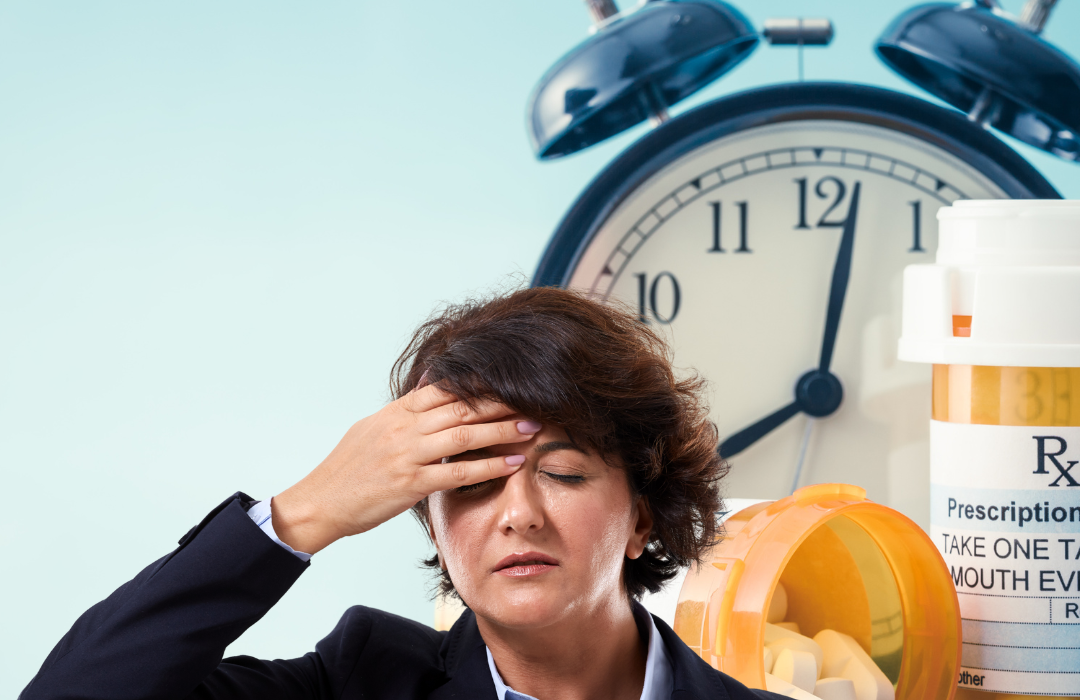
Situational Prophylaxis for Migraines: Stay One Step Ahead of Your Triggers
For many people living with migraines, the hardest part isn’t just the pain—it’s the uncertainty. Will it hit during a big meeting? A long-awaited holiday? A special event, like a wedding? If your migraines seem to strike at the worst possible moments, you might benefit from a proactive approach called situational prophylaxis.
This short-term strategy can help reduce the risk of migraines during known high-risk situations—so you can stay focused on the things that matter most.
What Is Situational Prophylaxis?
Situational prophylaxis involves taking preventive migraine medication for a limited period of time, before a known trigger. Unlike daily preventive treatments, which are taken continuously, situational prophylaxis is more targeted and often better suited for people who:
🟢 Experience infrequent migraines
🟢 Have predictable triggers (like menstruation, travel, or stress)
🟢 Want to avoid daily medication
Think of it as a “just-in-case” strategy that can reduce the likelihood of a migraine before it starts.
When Might It Be Useful?
Situational prophylaxis can be helpful in many common scenarios, including:
🔵 Menstrual migraines – Hormonal changes before your period are a common and predictable migraine trigger.
🔵 Air travel or altitude changes – Pressure changes, disrupted sleep, and stress can all increase your risk.
🔵 Big events or special occasions – Weddings, exams, or important presentations may bring on stress-related attacks.
🔵 Shift work or jet lag – Changes to your sleep schedule or routine can set off migraines.
If you’ve noticed a pattern, you may be a good candidate for this approach.
Medication Options
There are several types of medication your neurologist might recommend for situational prevention:
🟢 NSAIDs (e.g., Naproxen)
Often used for menstrual migraines. Taken once or twice daily during the trigger window to reduce inflammation and pain.
🔵 Triptans (e.g., Naratriptan)
Naratriptan is a long-acting triptan that can be taken for a few days around the trigger period. It is often used in predictable migraine patterns like menstrual migraine.
🟡 Gepants (e.g., Rimegepant)
These newer medications block a key protein (CGRP) involved in migraine attacks. Gepants are well-tolerated, non-sedating, and a great option for people who can’t use triptans—especially those with heart or blood pressure issues.
Importantly, gepants do not appear to be associated with medication overuse headaches (MOHs), making them suitable for intermittent use even in people who need frequent situational coverage.
Is It Safe?
When used under medical supervision, situational prophylaxis is safe and effective. It allows you to manage migraines more flexibly, with fewer side effects than daily medication. Your neurologist with a special interest in headache and migraine will consider your medical history, the frequency and severity of your migraines, and your personal triggers to create a plan that suits you.
Let’s Personalise Your Plan
At Migraine Specialist, we understand how disruptive migraines can be—especially when they interfere with travel, work, or special life events. If you think you could benefit from a situational approach to migraine prevention, we’re here to help.
👉 Ask your GP for a referral to one of our neurologists with a special interest in headache and migraine to discuss your triggers and create a personalised prevention plan.

